Case study
Porous Carbons from Captured CO2, Rotterdam
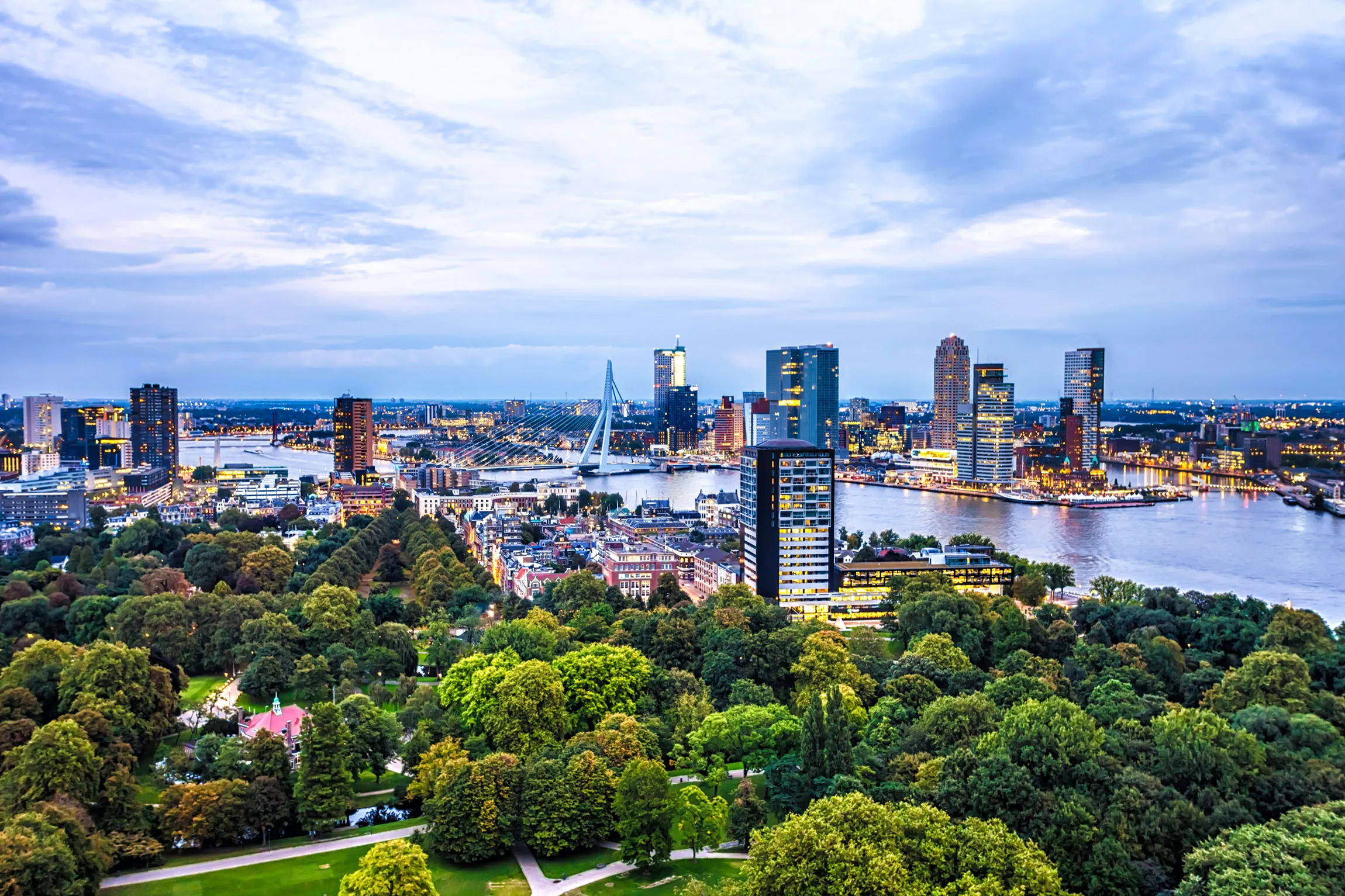
Capturing CO2 and converting it into carbon black and porous carbon
With support from "Kansen voor West" (EU EFRO subsidy), Aeroborn is developing and scaling its globally unique technology to convert captured CO2 into valuable carbon materials. What began as a pilot installation has evolved into a fully integrated industrial Fieldlab—expanding from carbon black production into high-value porous carbons for next-generation batteries.
Phase I: Pilot Installation (Kansen voor West II)
Our pilot project in Rotterdam demonstrates the world's first process to capture CO2 and convert it into high-quality carbon black through electrolysis.
Carbon black is used primarily in automobile tires and coatings and is currently produced from fossil sources. Producing this material from captured CO2 creates double environmental benefits: reducing emissions while replacing fossil-derived products.
During this phase, Aeroborn validates the technology in an industrially relevant setting, optimizes production processes, and resolves key bottlenecks through an iterative approach. The successful execution of this project establishes the technological foundation for further scaling and innovation.
Phase II: Fieldlab Integration (Kansen voor West III)
Building on the proven pilot technology, we are now integrating our CO2 conversion process into a fully equipped industrial Fieldlab and expanding our product portfolio.
TRL7 Unit in Fieldlab — Our validated conversion technology integrated into industrial infrastructure with direct connection to CO2 sources from major emitters such as steel production, refineries, and steam crackers.
Research Laboratory — Advanced analytical facilities for studying material properties and optimizing carbon black for specific industrial applications.
Post-Processing Unit — A new capability to convert carbon black into high-value porous carbons for battery and supercapacitor applications, developed in collaboration with Bournemouth University.
This phase expands our market reach beyond tires and coatings into next-generation battery materials—porous carbon that enables lighter, more powerful, and more durable batteries, all derived from captured CO2.
Project Partners
SPIE (engineering) and Bournemouth University (R&D)
These projects are co-funded by the European Union through the EFRO subsidy program "Kansen voor West," supporting innovation, sustainable development, and economic growth in the West-Netherlands region.
